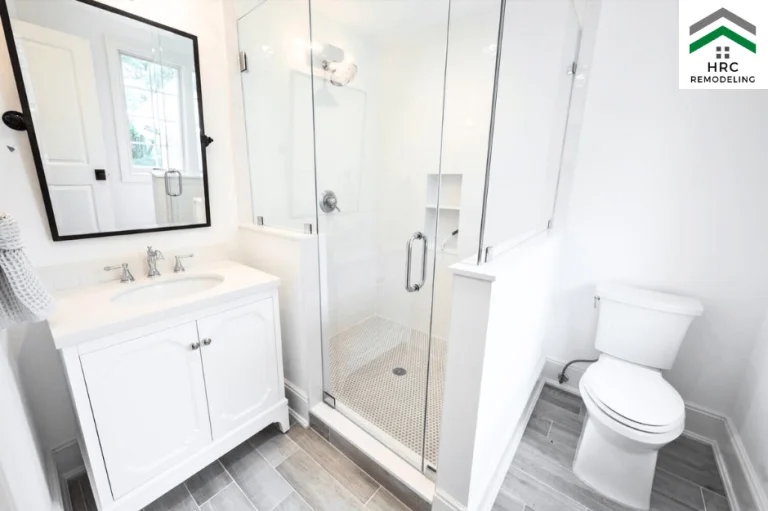
Quick answer: An aging-in-place bathroom remodel in Tampa typically costs $8,000–$25,000 for a full accessible bathroom (curbless shower, comfort-height toilet, grab bars, accessible vanity), or $18,000–$75,000 for a whole-home retrofit. Low-cost safety upgrades like grab bars and lever handles can be done for under $2,000.
Aging-in-place renovations have moved from niche request to mainstream remodeling category — and the bathroom is almost always where the project starts, since it’s where most in-home falls happen. This guide covers what an aging-in-place bathroom remodel actually includes, what it costs in the Tampa Bay market in 2026, and how to design a bathroom that’s safer without feeling clinical.

Why This Is Happening Now
The demand shift is well documented. In a recent National Association of Home Builders remodeler survey, 73% of contractors reported rising requests for aging-in-place features over the past five years, and AARP research shows 75% of adults over 50 want to stay in their current home long-term. In the prior year alone, 86% of surveyed remodelers had installed grab bars, 78% had built curbless showers, and 71% had installed comfort-height toilets — these are now standard requests, not specialty work.
Tampa Bay sits right at the center of this trend. With one of the largest 55+ populations in the country and a housing stock where a large share of homes were built decades ago without any accessibility features in mind, local demand for these renovations is especially strong — and it’s not just retirees driving it. Builders increasingly recommend these features for buyers of all ages because they hold resale appeal across the widest pool of future buyers.

What an Aging-in-Place Bathroom Remodel Actually Includes
It’s a broader category than just grab bars. The most common elements, roughly in order of priority:
Curbless (zero-threshold) walk-in showers — eliminates the trip hazard of stepping over a tub wall or shower curb
Properly anchored grab bars — installed into reinforced blocking, not just drywall, near the toilet, shower, and tub
Comfort-height toilets — sit about 2 inches taller than standard, easing strain on knees and hips
Wider doorways — a 32-inch clear opening is the common minimum; 36 inches is best practice for wheelchair or walker access and for caregivers assisting
Lever-style door and faucet handles — operable with a closed fist or weak grip, unlike round knobs
Slip-resistant flooring — textured tile or specialty flooring that stays grippy when wet
Accessible vanities — lowered countertops with knee clearance for seated use
Better lighting — including motion-sensing night lighting for nighttime bathroom trips
Anti-scald valves — protect skin that may be more fragile with age
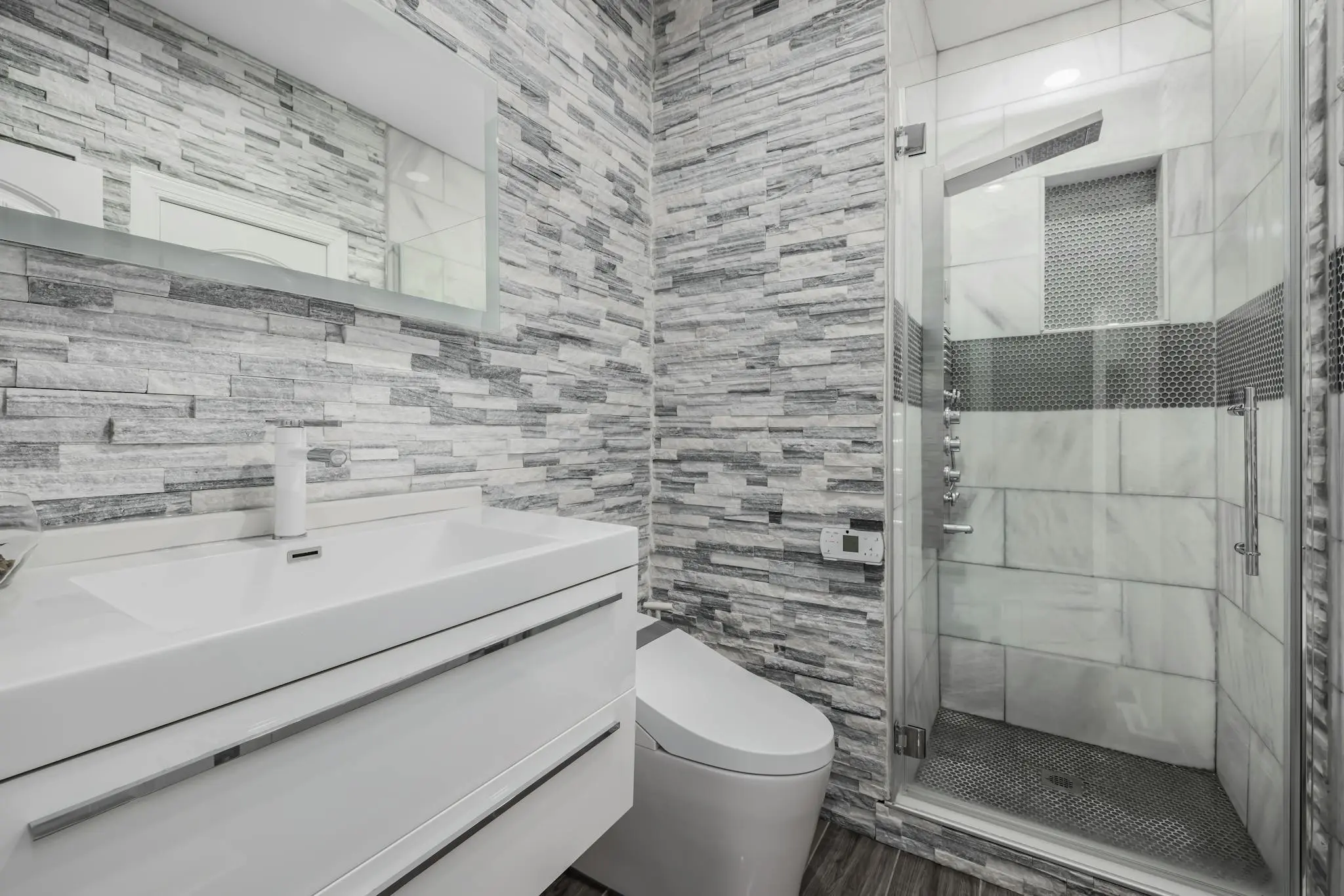
A well-designed bathroom can include most of these without reading as institutional. A shower bench tiled to match the walls, grab bars chosen in a finish that complements the fixtures, and a curbless entry that just looks like clean, modern design — that’s the standard contractors are building to in 2026.
Florida-Specific Considerations
A few things matter more here than in a typical aging-in-place project elsewhere:
Waterproofing is non-negotiable. Florida’s humidity and building code require inspected shower pans and moisture barriers, and this matters even more for curbless designs, where floor structure, slope, and drainage all have to be engineered correctly. An installer without curbless-specific experience is a real risk here — ask to see prior examples of this exact work before hiring.
Permits are required. Plumbing changes, electrical work, and structural modifications (including most curbless shower conversions) require a permit in Hillsborough and Pinellas counties. Skipping this step can create resale and insurance complications down the line.
Corrosion-resistant materials matter. Stainless steel grab bars and fixtures hold up better long-term in Tampa’s humid, coastal-adjacent climate than standard finishes.
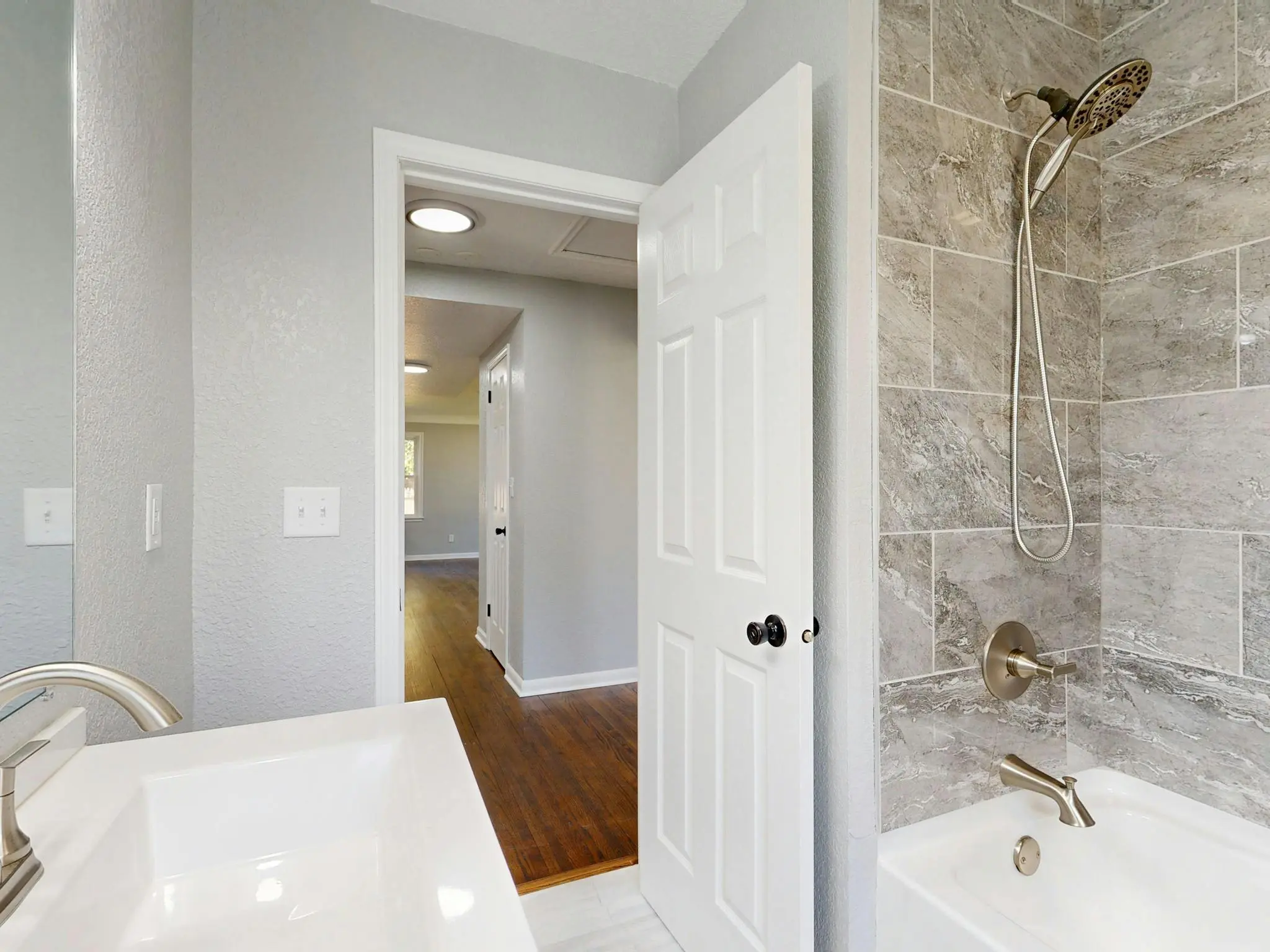
- Core Features of an Aging-in-Place Bathroom: Common elements include curbless showers, properly anchored grab bars, comfort-height toilets, wider doorways, lever handles, slip-resistant flooring, accessible vanities, better lighting, and anti-scald valves.
- Growing Demand and Market Adoption: National data show rising requests for aging-in-place features, with 73% of contractors noting increased demand in five years and 75% of adults over 50 wanting to stay in their home long-term.
- Florida-Specific Considerations: Waterproofing is non-negotiable and permits are required for plumbing, electrical, and structural changes; corrosion-resistant materials are important in Tampa’s humid coastal climate.
- Aging-in-Place Remodels Are Now Mainstream: Aging-in-place renovations have shifted from niche requests to a standard remodeling category, with bathrooms usually being the starting point because they are where most in-home falls occur.
- Tampa Cost Range for Aging-in-Place Bathrooms: In Tampa, a full accessible bathroom remodel typically costs $8,000–$25,000, with a whole-home retrofit ranging from $18,000–$75,000; low-cost safety upgrades like grab bars and lever handles can be done for under $2,000.